
Cardiovascular disease (CVD) continues to be a major cause of morbidity across the UK, but considerable strides are being made in this area. The National Health Service (NHS) has made cardiovascular diseases (CVDs) the highest priority within its long-term planning. The treatment of hypercholesterolaemia is an essential part of limiting CVD. The UK’s approach involves focusing on early diagnosis, education, lifestyle changes (dietary modification, physical activity) and accessibility to treatment facilities throughout the country, thereby reducing the incidence of preventable CVD.
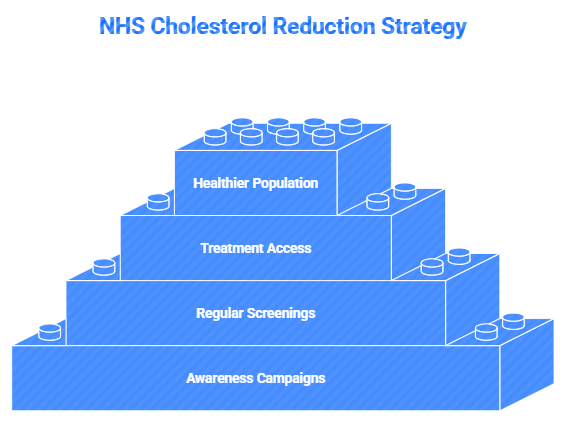
A Nationwide Focus on Cardiovascular Prevention
Cardiovascular disease prevention is now inclusive of a wider range of clinical environments than just hospitals. These include the local pharmacy, GP surgery and community clinic, which can all be used to identify patients at risk of developing the disease.
Routine health checks by the NHS are used to check for high cholesterol levels in addition to checking blood pressure, weight and family history. All these efforts are designed to allow for earlier intervention before symptoms show and allow for cardiovascular disease risk reduction over the long term for all ages.
Patient education is a vital part of the NHS heart health initiatives. Patients are taught to understand how cholesterol affects their body, how diet, physical activity and quitting smoking can all help to lower the risk of developing heart disease. This enables patients to take responsibility for their own health and helps to relieve some of the pressure on hospital resources.
Cholesterol Management within the NHS
NHS Programme for Cholesterol Management includes lifestyle changes together with a range of established and current medical treatments. Statins and newer therapies are prescribed according to Clinical Guidance, which allows patients to receive a safe and effective service that meets their needs. The successful implementation of this structure has been essential in achieving cholesterol closures, especially for patients with pre-existing conditions, including diabetic patients and those having a family history of heart disease.
Community pharmacies such as Saturn Pharmacy, have increased their roles in inhibiting adverse effects of medications. Through encouraging adherence to prescribed medication regimens, and providing advice and referral to NHS Services, Community Pharmacies have established themselves as a point of access for daily health services, both for patients and for health care providers.
Reducing Cardiovascular Risk Nationwide
Sustainable reductions in cardiovascular disease risk are at the heart of these initiatives. Early identification of increased cholesterol levels and adherence to treatment will significantly lower an individual’s risk of having a heart attack or stroke in their later years. NHS initiatives focusing on areas of deprivation have been key in eliminating the disparity in access to preventative services and facilitating the opportunity for many more individuals to benefit from preventative health services.
Public health campaigns, and customised treatment programmes, have allowed a large number of individuals in the UK to continually reduce cholesterol while enhancing their health outcomes. Continued investment in NHS services for heart health and community engagement will continue to provide many individuals with healthier hearts.
How Local Pharmacies Support NHS Heart Health
Saturn Pharmacy provides support for NHS services through Heart Health, by reinforcing the drug treatment plan and providing practical help. The pharmacists can provide answers to questions regarding the cholesterol-lowering medicines, the possible side effects, and also provide information about lifestyle changes, allowing patients to be able to better manage their situation with confidence. The local support provided to patients is critical in keeping patients engaged in long-term cardiovascular preventative care.
As cholesterol awareness increases, an increasing number of patients are taking small, consistent steps to bring their cholesterol levels within normal ranges in order to maintain cardiovascular health for the long term.
Leave a Reply